
INSIGHTS
Acoustic Underlays and Rubber Flooring for Green Star Projects: VOCs, Recycled Content and GECA Certification
Key Points
Green Star projects can require flooring and acoustic underlay products to demonstrate broader environmental performance, rather than relying on a single sustainability claim.
REGUPOL everroll flooring and selected REGUPOL sonus acoustic underlays are GECA certified, providing independent third-party assessment against environmental, human health and ethical criteria.
Recycled content is a significant component of REGUPOL everroll rolls and sheets, and acoustic underlays with both pre-consumer and post-consumer recycled materials used.
VOC content and VOC emissions are different considerations. Finished flooring, acoustic underlays, adhesives, primers and finishes may all be relevant when assessing indoor air quality.
An Environmental Product Declaration (EPD) provides independently verified lifecycle information, helping specifiers assess environmental impacts using documented data rather than general environmental claims.
Consider the complete flooring and acoustic system. Product composition, adhesives and finishes, manufacturing, recyclability and supporting environmental documentation can all be relevant to sustainable specification.
Table of Contents
What should you consider when specifying rubber flooring / acoustic underlay for a Green Star project?
When specifying rubber flooring / acoustic underlay for a Green Star project, ABS West advises looking beyond a single environmental claim or product attribute.
Consider the flooring’s:
- environmental certification,
- recycled material content,
- VOC content and emissions,
- lifecycle information,
- the wider flooring system (including adhesives, primers and finishes).
Independent certification such as GECA can provide third-party verification against environmental, human health and ethical criteria, while an Environmental Product Declaration (EPD) provides documented lifecycle information. VOC documentation can provide further evidence relating to indoor air quality, and recycled-content information helps identify how recovered materials are incorporated into the product.
For REGUPOL everroll and selected REGUPOL acoustic underlays, these considerations are supported by GECA certification, an independently verified EPD covering REGUPOL everroll rolls and sheets, and supporting VOC documentation. Together, these provide specifiers with a broader evidence base when assessing flooring for environmentally focused and Green Star projects.
Key takeaway for architects, designers and specifiers: a sustainable flooring system specification should consider the product, the complete flooring system and the evidence supporting its environmental claims, not simply one sustainability credential.
What does Green Star mean for flooring / acoustic specification?
Green Star is an Australian sustainability rating system for buildings and fitouts, developed by the Green Building Council of Australia (GBCA). For flooring / acoustic specification, the important point is that environmental performance is not defined by a single product characteristic.
Flooring and acoustic underlays can have impacts across several areas, including the materials and resources used in its manufacture, indoor air quality, manufacturing processes and what happens to the product at the end of its useful life. Adhesives, surface treatments and other components of the installed flooring system can also form part of the environmental picture.
For this reason, selecting flooring and acoustic underlays for a Green Star or environmentally focused project can involve considering several different forms of evidence.
Four forms of evidence to consider:
Environmental Certification
Independent certification can demonstrate that a product has been assessed against defined environmental, human health and other sustainability criteria.
Material Content
Understanding the materials used in a flooring product, including recycled content and the use of pre-consumer and post-consumer materials, provides greater transparency around resource use.
Indoor Air Quality (VOC Content & Emissions)
VOC content and VOC emissions can be relevant to flooring and the products used to install or finish it, including adhesives, primers and sealers.
Lifecycle Information
Environmental Product Declarations (EPDs) provide documented information about environmental impacts across defined stages of a product's lifecycle.
Look beyond a single environmental claim
A product containing recycled material is not necessarily low in VOC emissions, just as a low-VOC product does not necessarily contain recycled material or provide lifecycle environmental data.
Looking at these considerations together provides a more complete picture of a flooring product's environmental credentials and gives specifiers a stronger evidence base for product selection.
For REGUPOL everroll and acoustic products, supporting documentation is available across these areas, including GECA certification, recycled-material and lifecycle information through an EPD, and VOC-related technical documentation. The following sections look at what each of these credentials means and what specifiers should look for when assessing them.
GECA CERTIFICATION
Associated Downloads

GECA Certificate
Independent environmental certification documentation - GECA.
What does GECA certification tell you about rubber flooring and acoustic underlays?
GECA certification provides independent verification that a product has been assessed against defined environmental, human health and social and ethical criteria. For specifiers, it provides a way to distinguish substantiated environmental credentials from general sustainability claims.
Good Environmental Choice Australia (GECA) operates an independent ecolabelling program based on ISO 14024 principles. Products certified under its Floor Coverings standard are independently assessed against requirements relevant to their manufacture, composition, use and end-of-life considerations.
What does the GECA Floor Coverings standard consider?
The standard looks beyond a single environmental attribute. Depending on the flooring material, criteria include areas such as:
- material efficiency and recycled content;
- waste minimisation;
- recyclability and end-of-life considerations;
- VOC content and emissions;
- restrictions on hazardous materials and substances;
- environmental claims and greenwashing;
- workplace safety, fair pay and equal opportunity.
This broader assessment is important because a flooring product can perform well in one environmental area without necessarily addressing others.
How does GECA relate to Green Star?
GECA-certified floor coverings can support projects seeking Green Star certification. The applicable contribution depends on the Green Star rating tool and project requirements, so specifiers should check the requirements relevant to their particular project rather than assume certification automatically provides a set number of Green Star points.
Are REGUPOL everroll and acoustic products GECA certified?
Yes*. REGUPOL Australia has held a GECA licence since 2008, with its current certification covering a range of commercial flooring, gym flooring and acoustic underlay products under the GECA Floor Coverings standard. This independent certification provides architects, designers and specifiers with verified environmental credentials across both REGUPOL's everroll rubber flooring and acoustic underlay solutions.
*REGUPOL everroll commercial and gym flooring products covered by GECA certification
COMMERCIAL FLOORING PRODUCT
GYM FLOORING PRODUCT
GECA CERTIFIED
REGUPOL everroll classic
REGUPOL everroll classic
REGUPOL everroll vitality
REGUPOL everroll vitality
REGUPOL everroll ultimate
REGUPOL everroll ultimate
*REGUPOL acoustic underlay products covered by GECA certification
ACOUSTIC UNDERLAY PRODUCT
GECA CERTIFIED
REGUPOL sonus core 5
REGUPOL sonus core 10s
REGUPOL sonus eco 5
REGUPOL sonus multi 4.5
REGUPOL sonus multi 3
REGUPOL sonus curve 6
REGUPOL sonus curve 8
REGUPOL sonus curve 17
GECA certification is one part of the evidence
GECA certification provides a useful overarching environmental credential, but it doesn't remove the value of examining individual product characteristics and supporting documentation.
For REGUPOL flooring and acoustic products; recycled material content, VOC performance and Environmental Product Declaration data provide additional layers of information that can help specifiers understand the environmental characteristics of the flooring in greater detail.
RECYCLED CONTENT
Associated Downloads

Environmental Product Declaration (EPD)
Verified environmental performance information - EPD.
Recycled content in rubber flooring and acoustic underlays
Recycled content refers to materials that have been recovered from a waste stream and used as an input in the manufacture of a new product. For rubber flooring and acoustic underlays, this can reduce reliance on virgin raw materials while finding a productive new use for materials that may otherwise become waste.
However, not all recycled content is the same. Understanding where the recovered material comes from provides greater transparency when assessing a product's environmental credentials.
What is the difference between pre-consumer and post-consumer recycled material?
Pre-consumer recycled material is material recovered from the waste stream during manufacturing or processing, before it reaches the end user.
Post-consumer recycled material has already served its intended purpose before being recovered and used again as a manufacturing input.
REGUPOL's Environmental Product Declaration (EPD) identifies both types within the recycled materials used to manufacture its rolls and sheets. Rubber, foam and EVA waste are identified as pre-consumer materials, while recycled SBR rubber is identified as post-consumer material.
How much recycled material is used in REGUPOL flooring?
The EPD describes REGUPOL rolls and sheets as being made mainly from recycled rubber. Its material composition comprises approximately 10% polyurethane binder, with the remainder described as approximately 90% recyclates and other listed constituent materials.
Because formulations can vary according to the particular product and customer requirements, this information is better understood as evidence of the substantial use of recycled materials across the covered products rather than as a fixed recycled-content percentage for every REGUPOL everroll product.
What happens to manufacturing waste?
Recycled content is only one aspect of material efficiency. The way waste is managed during production is another consideration.
REGUPOL reports that production residues are shredded and returned to the production cycle, with waste avoidance identified as the primary objective.
The EPD describes the manufacturing process as practically waste-free in this respect, as potential production waste is internally recycled back into the process.
Recycled content and recyclability are not the same thing
These terms are sometimes used interchangeably, but they describe two different stages of a product's lifecycle.
Recycled content describes recovered material that has already been incorporated into a product.
Recyclability describes the potential for that product's materials to be recovered and used again at the end of its service life.
The REGUPOL EPD states that its rolls and sheets can, in principle, be reused or recycled and describes them as almost 100% recyclable when free from foreign materials and contaminants. It also importantly notes that the end-of-life outcome depends on the availability of appropriate collection and recycling infrastructure.
VOC CONTENT & EMISSIONS
Contact ABS West to request VOC certificates for REGUPOL primers, adhesives and everroll flooring
VOC content vs VOC emissions: what's the difference?
VOC content and VOC emissions are related, but they are not the same thing. Understanding the difference is particularly important when assessing a flooring system, because the flooring itself and the products used to install or finish it may need to be considered differently.
Volatile Organic Compounds (VOCs) are carbon-based compounds that can evaporate into the air. In building materials, VOCs are considered because emissions from products used within an interior can affect indoor air quality.
What is VOC content?
VOC content refers to the amount of VOCs contained within a product or formulation.
This is particularly relevant to wet-applied products, such as:
- flooring adhesives
- primers
- sealers
- coatings and finishes.
VOC content is commonly expressed in grams per litre (g/L) and can be tested against requirements or limits applicable to the particular product type.
For a flooring installation, this means it is important not to assess the flooring material in isolation. The adhesive, primer or surface finish specified as part of the installation can also contribute to the overall VOC considerations of the flooring system.
What are VOC emissions?
VOC emissions refer to the VOCs that a finished material releases into the surrounding air over time. Rather than measuring what is contained within a formulation, emissions testing assesses what is actually emitted from a product under controlled conditions. This can be particularly relevant to finished interior materials such as flooring / acoustic underlays.
REGUPOL products have been subject to VOC emissions testing, providing additional technical information about emissions from the finished material.
Why does the distinction matter?
A product can have documented VOC content without that information necessarily telling you how the finished material will emit VOCs into the indoor environment. Similarly, emissions testing of the flooring itself does not automatically tell you about the VOC content of the adhesive, primer or sealer used during installation.
VOC Content
VOC Emissions
What VOCs are contained within a product or formulation?
What VOCs are released from a finished material into the air?
Particularly relevant to adhesives, primers, sealers and coatings
Particularly relevant to finished interior building materials
Commonly reported in g/L
Assessed through controlled emissions testing
Consider the complete flooring system
When assessing VOCs for an environmentally focused project, it is useful to consider all of the products that will form part of the installed flooring system:
FLOORING
PRIMER
ADHESIVE
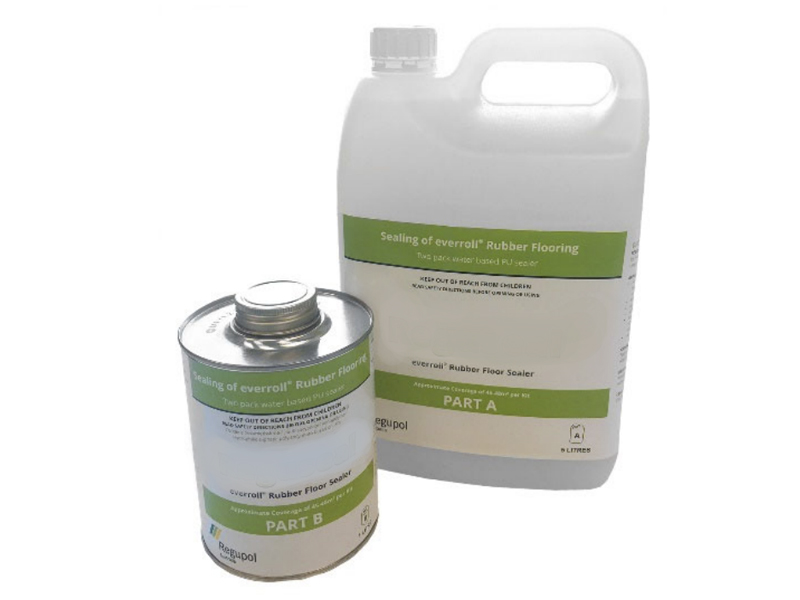
SEALER (where applicable)
VOC documentation is available across different components of its flooring systems. However, the products used can vary according to the flooring selected, substrate, installation method and whether a surface treatment is required.
What is an Environmental Product Declaration (EPD)?
An Environmental Product Declaration (EPD) is an independently verified document that provides quantified information about a product's environmental impacts across defined stages of its lifecycle.
It helps architects, designers and specifiers assess environmental performance using documented data rather than relying solely on general sustainability claims.
EPDs are based on Lifecycle Assessment (LCA) methodology and are typically developed in accordance with recognised international standards, including ISO 14025 and EN 15804 for construction products.
What environmental information does an EPD provide?
Depending on its scope, an EPD can provide information about environmental impacts associated with:
- Raw material sourcing and processing: the resources and materials used to manufacture the product.
- Manufacturing: energy consumption, emissions and other environmental impacts arising during production.
- Transport and installation: impacts associated with delivering and installing the product, where included in the assessment.
- Use and maintenance: environmental considerations during the product's service life, where assessed.
- End-of-life: potential impacts associated with disposal, recovery or recycling.
EPDs can also report indicators such as global warming potential, resource consumption, water use and waste generation. Importantly, not every EPD covers every lifecycle stage. Specifiers should check the scope, declared unit and assumptions before comparing information between products.
How is an EPD different from GECA certification?
Although both provide independently verified environmental information, they serve different purposes.
GECA Certification
Environmental Product Declaration (EPD)
Assesses a product against defined environmental, human health and social/ethical criteria
Reports quantified environmental impacts based on lifecycle assessment
Demonstrates that applicable certification requirements have been met
Provides environmental data for interpretation and assessment
Functions as a third-party environmental ecolabel
Functions as a standardised environmental reporting document
An EPD does not automatically mean a product is environmentally preferable or suitable for a particular Green Star credit. Its primary value is providing transparent, independently verified information that can support informed specification decisions.
Do REGUPOL everroll and acoustic products have an EPD?
Yes*. REGUPOL has an independently verified Environmental Product Declaration covering its rolls and sheets, including the everroll flooring range. Most REGUPOL acoustic underlays are also covered (please check the list below). Published through the Institut Bauen und Umwelt (IBU) EPD programme, the declaration follows ISO 14025 and EN 15804+A2 and is valid until August 2028:
Environmental Product Declaration (EPD)
Verified environmental performance information - EPD.
The declaration provides lifecycle environmental information relating to REGUPOL's manufacturing operations in Germany, including material inputs, energy and resource use, environmental impacts and end-of-life scenarios. For specifiers, the EPD complements REGUPOL everroll's GECA certification by providing quantified lifecycle data alongside its independently assessed environmental credentials.
* REGUPOL everroll commercial and gym flooring products covered by EPD certification
COMMERCIAL FLOORING PRODUCT
GYM FLOORING PRODUCT
EPD CERTIFIED
REGUPOL everroll classic
REGUPOL everroll classic
YES
REGUPOL everroll vitality
REGUPOL everroll vitality
YES
REGUPOL everroll ultimate
REGUPOL everroll ultimate
YES
REGUPOL everroll diamond
YES
*REGUPOL acoustic underlay products covered by EPD certification
ACOUSTIC UNDERLAY PRODUCT
EPD CERTIFIED
REGUPOL sonus core 5
YES
REGUPOL sonus eco 5
YES
REGUPOL sonus multi 4.5
YES
REGUPOL sonus multi 3
YES
REGUPOL sonus curve 6
YES
REGUPOL sonus curve 8
YES
REGUPOL sonus curve 17
YES
Why does an EPD matter for Green Star projects?
An EPD can provide supporting environmental information for material selection and, where recognised by the applicable rating tool, contribute to project sustainability assessments.
However, the availability of an EPD should not be confused with automatic Green Star compliance or a guaranteed credit contribution. Its relevance depends on the requirements of the project and the rating tool being used.
An EPD provides transparency about environmental impacts. When considered alongside GECA certification, recycled content and VOC documentation, it helps specifiers build a more complete, evidence-based understanding of a flooring product's environmental performance.
What should specifiers check when selecting rubber flooring / acoustic underlay for a Green Star project?
When selecting rubber flooring / acoustic underlay for a Green Star project, specifiers should consider both the environmental credentials of the product and the requirements of the complete installed system. Independent certification, recycled content, VOC documentation and lifecycle information can all contribute to an informed assessment. The following checklist brings together the key considerations discussed in this guide.
Independent environmental certification
Is the specific flooring product covered by a current, independently verified environmental certification, such as GECA?
Recycled material content
What proportion and types of recycled materials are incorporated into the product? Are pre-consumer and post-consumer materials identified?
VOC emissions
Is emissions testing available for the finished flooring material, and does it apply to the product being specified?
Adhesives, primers and finishes
Have the VOC content and other relevant environmental characteristics of installation products been considered?
Lifecycle environmental information
Is an independently verified Environmental Product Declaration (EPD) available, and does its scope cover the proposed flooring product?
Manufacturing and end-of-life considerations
What information is available about manufacturing waste, resource efficiency, recyclability and practical end-of-life options?
Documentation and project requirement
Are the certificates and technical reports current and applicable to the selected product and installation system? Have they been assessed against the project's relevant Green Star requirements?
Why is the complete flooring system important?
A flooring product may have strong environmental credentials, but its installation can involve additional materials that need to be assessed separately.
For example, the flooring may have documented VOC emissions performance, while the adhesive or surface sealer has its own VOC content characteristics. These products should be considered together when assessing the proposed installation.
Similarly, environmental certification and lifecycle documentation should be checked for applicability to the specific product, formulation and installation requirements, rather than assumed to cover every product within a manufacturer's range.
Match the evidence to the project requirements
Green Star requirements can vary according to the rating tool, version and project objectives. An environmental certificate, EPD or VOC test report provides supporting evidence, but does not automatically establish compliance with every applicable requirement.
Early consideration of these factors can help architects, builders and flooring contractors identify suitable products, confirm the required documentation and avoid specification changes later in the project.
The key takeaway: effective sustainable flooring / acoustic specification combines product selection with verification of the supporting evidence. Assessing these factors early helps ensure the selected flooring system is appropriate for the project's environmental objectives.
FAQs
Is rubber flooring suitable for Green Star projects?
Yes. Rubber flooring can be specified for Green Star projects, provided the selected product and installation system meet the relevant project requirements. Environmental considerations may include independent certification, recycled content, VOC performance and lifecycle information. Supporting documentation should be assessed against the applicable Green Star rating tool rather than assuming that a particular flooring material automatically qualifies for credits.
Is REGUPOL everroll flooring GECA certified?
Yes. REGUPOL everroll classic, ultimate, savanna and vitality are covered by REGUPOL Australia's GECA certification under the Floor Coverings standard. GECA certification provides independent assessment against environmental, human health and social and ethical criteria. REGUPOL Australia has held GECA certification since 2008.
Are REGUPOL acoustic underlays GECA certified?
Yes. A range of REGUPOL sonus acoustic underlays are GECA certified under the GECA Floor Coverings standard, providing independent verification against environmental, human health and social and ethical criteria.
The certified products include REGUPOL sonus core 5, sonus core 10s, sonus eco 5, sonus multi 4.5, sonus multi 3, sonus curve 6, sonus curve 8 and sonus curve 17.
This certification provides architects, designers and specifiers with independently verified environmental credentials when selecting acoustic underlay solutions for Green Star and other environmentally focused building projects.
Does REGUPOL everroll contain recycled rubber?
Yes. REGUPOL everroll flooring is manufactured predominantly using recycled materials, including both pre-consumer and post-consumer inputs. Its Environmental Product Declaration identifies recovered rubber, foam and EVA materials, as well as post-consumer SBR rubber. The precise material composition can vary between products and formulations.
What is the difference between low-VOC flooring and low-VOC adhesive?
Low-VOC flooring generally refers to flooring with low emissions of volatile organic compounds into indoor air, while low-VOC adhesive typically refers to an adhesive formulation with a low measured VOC content. These are different characteristics assessed using different methods. For indoor air quality considerations, specifiers should review the relevant documentation for both the finished flooring and the installation products.
Does GECA certification automatically earn Green Star points?
No. GECA certification can provide recognised environmental evidence that supports Green Star assessments, but it does not automatically guarantee points. The contribution depends on the applicable Green Star rating tool, its version and the requirements of the individual project. Specifiers should confirm how the certification is recognised within their project's assessment framework.
What is the difference between GECA certification and an EPD?
GECA certification confirms that a product has been independently assessed against defined environmental, health and social/ethical criteria. An Environmental Product Declaration (EPD) provides independently verified, quantified information about environmental impacts across defined lifecycle stages. Both offer valuable evidence, but an EPD reports environmental performance data rather than certifying that a product meets a particular sustainability benchmark.
What environmental documentation should I request when specifying rubber flooring?
Depending on the project's requirements, relevant documentation may include environmental certification, an Environmental Product Declaration, recycled-content information, VOC emissions test reports and VOC content certificates for adhesives, primers or finishes. Documentation should be checked to ensure it is current and applicable to the specific flooring product and installation system being proposed.
Have REGUPOL products been used in major Green Star projects?
Yes. REGUPOL products have been specified in several high-profile Australian developments with a focus on sustainability and environmental performance. Examples include:
One Central Park, Sydney – A landmark mixed-use development awarded a 5 Star Green Star rating.
Wildlife Retreat at Taronga, Sydney – A GBCA Green Star project providing environmentally focused accommodation development designed with sustainability and integration into its natural surroundings in mind.
These are two examples of projects incorporating REGUPOL products, demonstrating their use in developments where environmental considerations are an important part of the design and specification process.
Specifying Rubber Flooring / Acoustic Underlay for a Green Star Project?
ABS West can help architects, designers, builders and flooring contractors select the appropriate REGUPOL everroll flooring / acoustic system and access supporting environmental and technical documentation, including GECA certification, EPDs and VOC information.
Talk to ABS West about the requirements of your project. The team has practical experience supporting Green Star projects.
Related Products
Explore the REGUPOL products with environmental credentials to support sustainable building and Green Star project specifications.

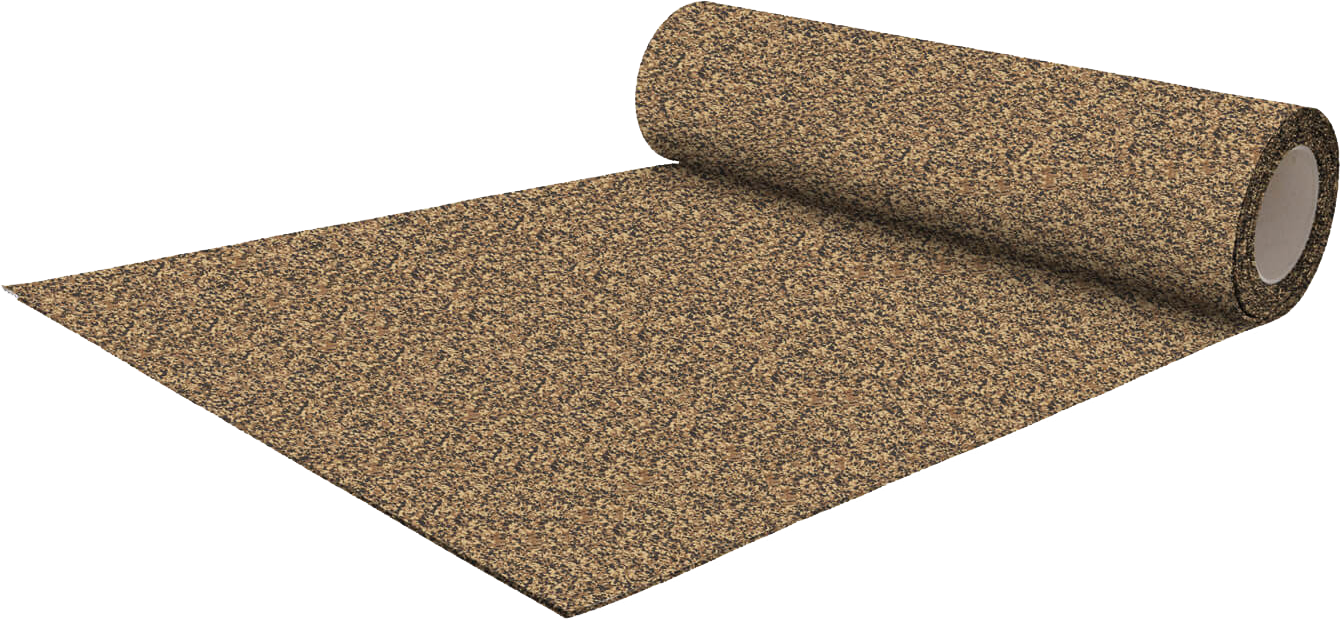
REGUPOL everroll commercial flooring
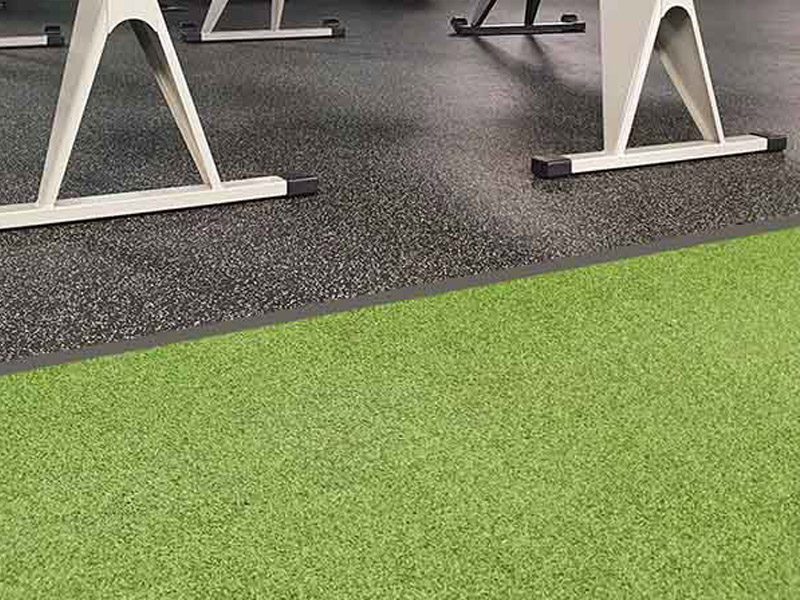
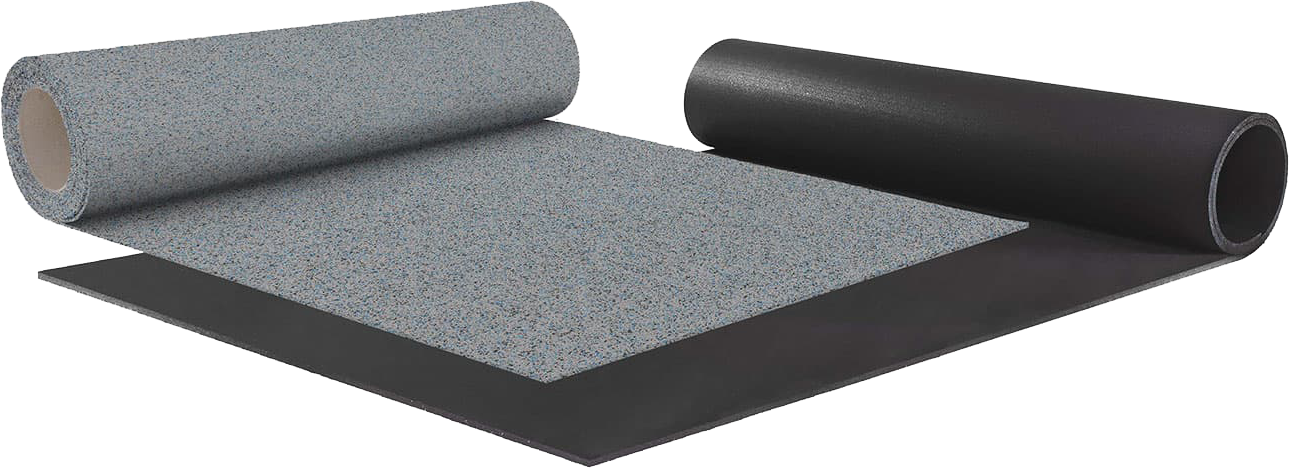
REGUPOL everroll gym flooring

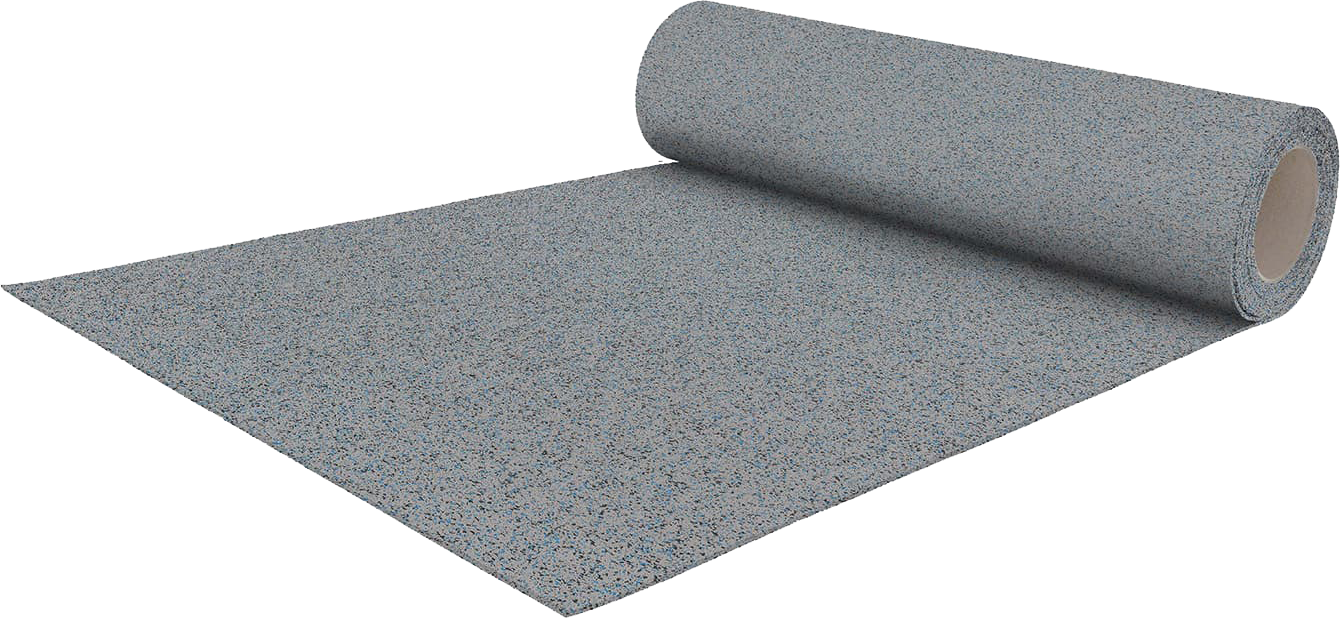
REGUPOL Acoustic Underlays
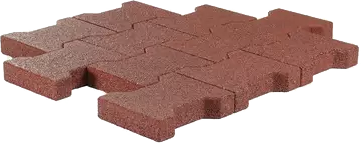
REGUPOL PUR 21-306
Discuss Your Product Requirements with a REGUPOL Specialist at ABS West
Whether you’re at early specification stage or preparing for project delivery, ABS West provides technical guidance and reliable local supply from Perth for REGUPOL flooring, matting and acoustic solutions across Western Australia.