
INSIGHTS
P Ratings Explained: Understanding Flooring Slip Resistance
Key Points
- P ratings measure slip resistance using the wet pendulum test under Australian Standard AS 4586.
- Ratings range from P0 to P5, with higher classifications indicating greater measured slip resistance under the specified test conditions.
- The appropriate P rating depends on the application and factors such as moisture, contaminants, traffic and how the space will be used.
- A higher P rating is not automatically better. Flooring should be selected to suit the requirements and risks of the particular environment.
- Surface treatments can affect slip resistance. Sealing a rubber floor, for example, can change its tested P rating.
- Always consider the finished flooring system. A P rating for an unsealed product should not be assumed to apply once a sealer or other surface treatment has been added.
Table of Contents
Understanding P ratings: What do P0 to P5 slip-resistance ratings mean?
Slip resistance is an important consideration when specifying flooring, particularly in areas where moisture, dirt or other contaminants may increase the risk of slipping.
In Australia, you will often see flooring described using a P rating, ranging from P0 to P5. But what does that rating actually mean, and how should it be interpreted when selecting flooring for a project?
What is a P rating?
A P rating is a slip-resistance classification determined using the wet pendulum test under Australian Standard AS 4586. The test measures the frictional characteristics of a flooring surface in wet conditions. The resulting test value is then classified from P0 to P5. In simple terms, the higher the P classification, the greater the measured level of slip resistance under the specified test conditions.
P0
Very low slip resistance
P1
Low slip resistance
P2
Moderate slip resistance
P3
Increased slip resistance
P4
High slip resistance
P5
Very high slip resistance
An important consideration is that a higher rating is not automatically “better” for every application. Flooring should be selected according to the conditions, risks and functional requirements of the space in which it will be installed.
How is a P rating tested?
The wet pendulum test uses a swinging pendulum fitted with a rubber slider. As the slider passes across the wet flooring surface, the equipment measures the friction generated between the slider and the surface.
This produces a British Pendulum Number (BPN), which is then used to determine the relevant P classification.
Because the test is performed under controlled conditions, P ratings provide specifiers with a standardised way of comparing the slip-resistant characteristics of different flooring surfaces.
Why do P ratings matter?
The appropriate level of slip resistance can vary considerably depending on where flooring is being installed.
For example, the requirements of a dry office environment may be very different from those of:
- end-of-trip facilities and change rooms;
- entrances exposed to rain;
- gym and fitness facilities;
- bathrooms and amenities;
- food preparation or service areas;
- ramps and circulation areas;
- other spaces where water or contaminants may be present.
This is why flooring selection should consider how the space will actually be used, rather than simply choosing the product with the highest available P rating.
Can the finish of a floor affect its P rating?
Yes. Importantly, the slip resistance of a flooring product can change depending on its surface treatment or finish.
For rubber flooring, for example, applying a sealer can alter the characteristics of the surface and therefore change its tested P classification.
This means it is important to look at the rating for the flooring in the condition in which it will actually be installed rather than assuming that a P rating for an unsealed product also applies after sealing.
This is particularly relevant when balancing slip resistance against other considerations such as ease of cleaning, maintenance and appearance.
P ratings are only one part of flooring specification
A P rating is a useful technical measure, but it should not be considered in isolation. When selecting flooring, architects, designers, builders and facility managers may also need to consider factors such as:
- expected wet or dry conditions;
- type and frequency of traffic;
- cleaning and maintenance requirements;
- surface contaminants;
- durability;
- comfort and acoustic performance;
- aesthetic requirements;
- relevant standards and project-specific requirements.
Understanding the P rating helps put slip resistance into this broader specification context.
Slip resistance ratings of REGUPOL everroll products
AS 4586:2013 slip resistance classification of new pedestrian surface materials, Appendix A - Wet Pendulum Test. Slip resistance certificate available on request.
COMMERCIAL FLOORING
COMMERCIAL FLOORING PRODUCT
NATURAL (UNSEALED)
SEALED
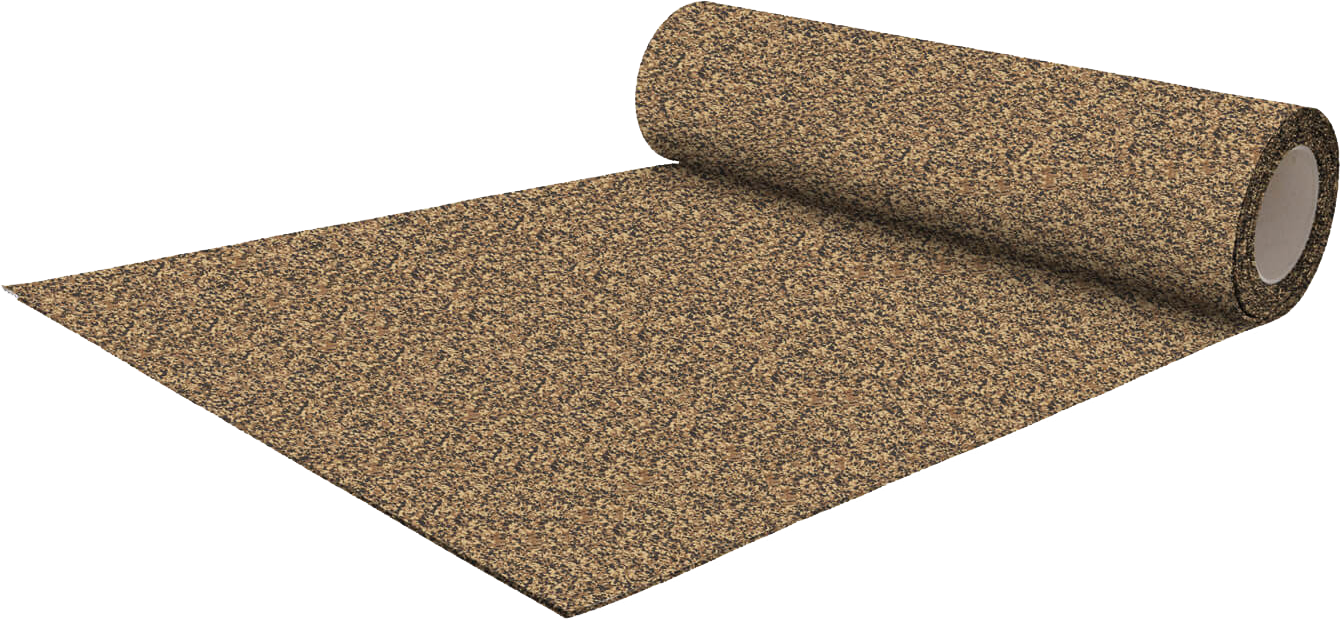
REGUPOL everroll classic
P5
P4
REGUPOL everroll vitality
P5
P4
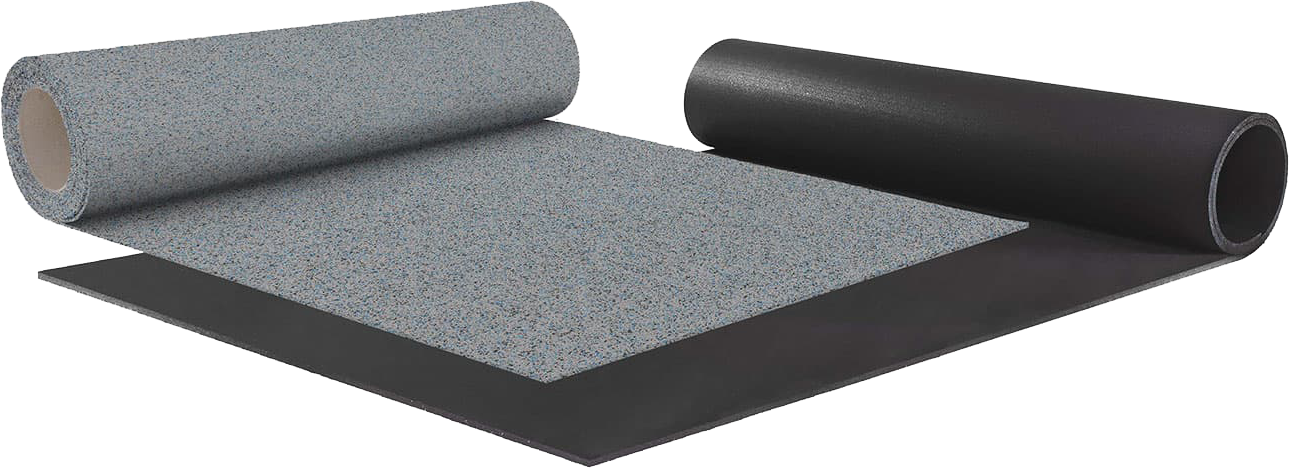
REGUPOL everroll ultimate
P4
P2
GYM FLOORING
GYM FLOORING PRODUCT
NATURAL (UNSEALED)
SEALED
REGUPOL everroll classic
P5
P4
REGUPOL everroll vitality
P5
P4
REGUPOL everroll ultimate
P4
P2
REGUPOL everroll crosstile
P5
N/A
REGUPOL everroll impact
P4
P2
Need help interpreting slip-resistance requirements?
ABS West supplies REGUPOL flooring across Western Australia and can provide technical product information to assist architects, designers, builders and flooring professionals when assessing flooring for different applications.
Where slip resistance is an important consideration, speak with the ABS West team about the available product, finish and test information for your project.
Related Products
Explore related REGUPOL flooring and surface treatment options relevant to slip resistance and flooring specification.

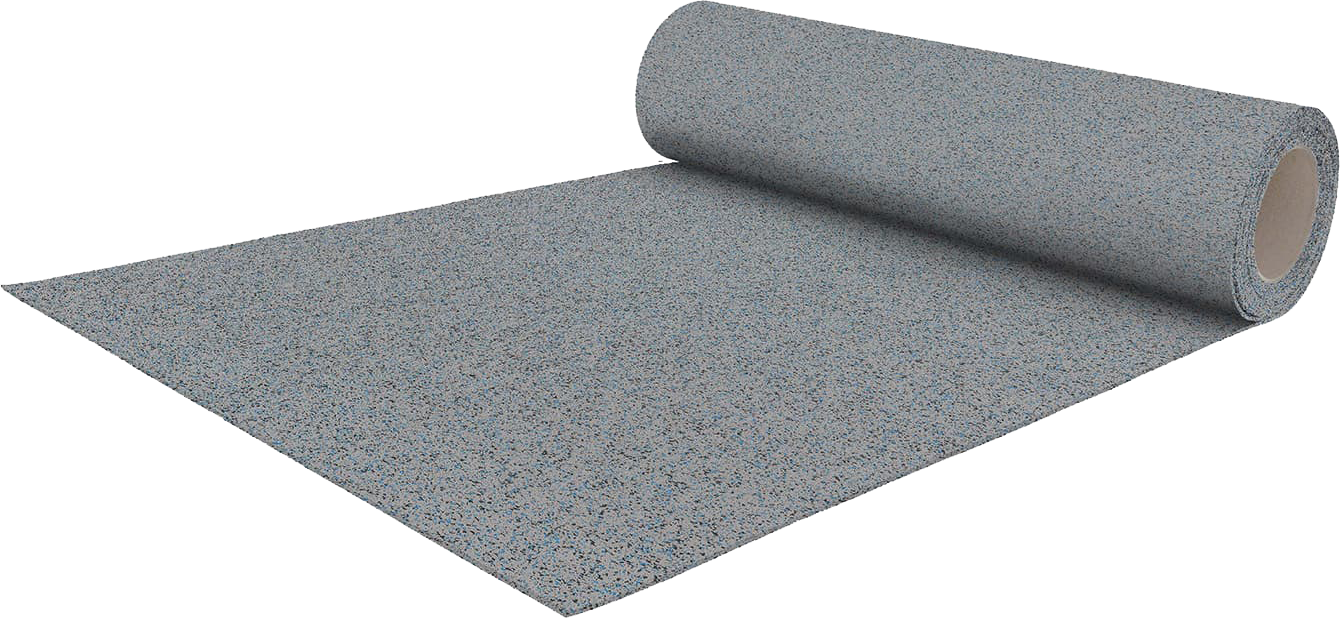
REGUPOL everroll commercial flooring
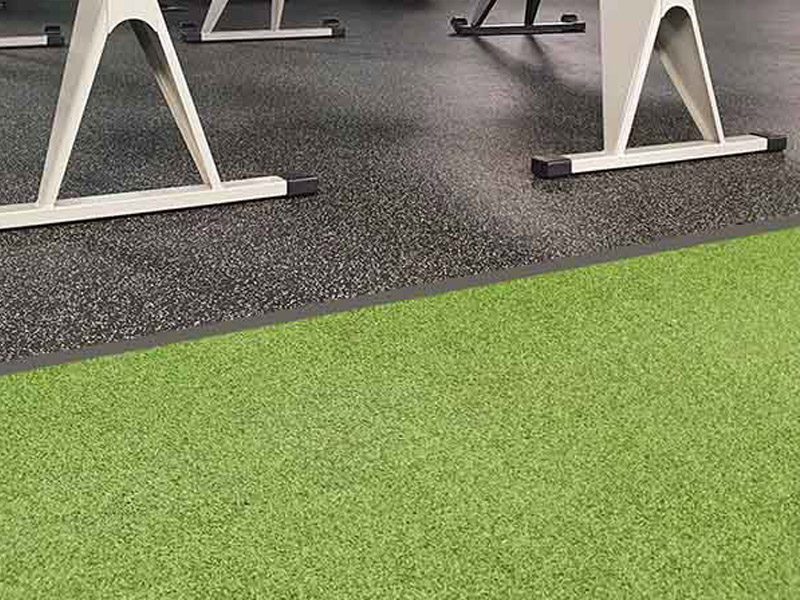
REGUPOL everroll gym flooring
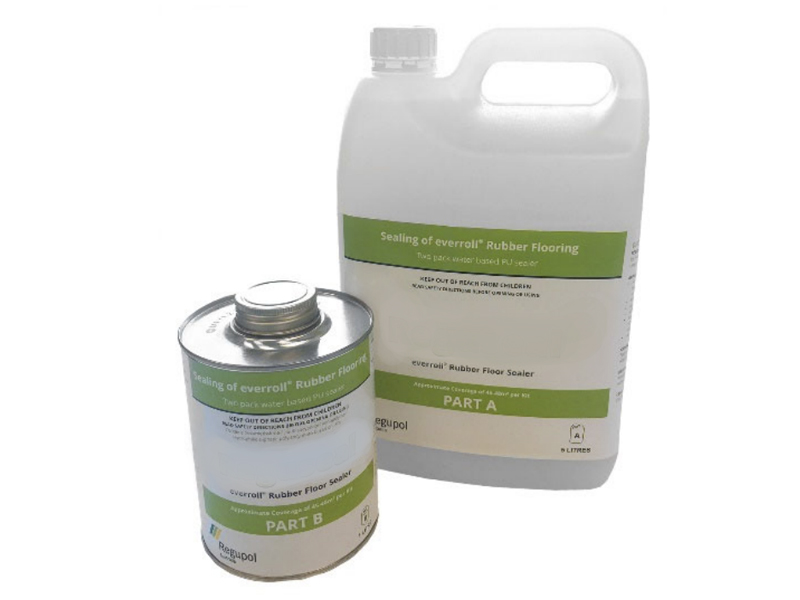
REGUPOL PUR 21-306
Discuss Your Product Requirements with a REGUPOL Specialist at ABS West
Whether you’re at early specification stage or preparing for project delivery, ABS West provides technical guidance and reliable local supply from Perth for REGUPOL flooring, matting and acoustic solutions across Western Australia.