
INSIGHTS
Sealed vs Unsealed Rubber Flooring: What Should You Specify?
Key Points
-
Sealing makes REGUPOL rubber flooring easier to clean and maintain by closing surface pores and reducing the ingress of dirt, sweat and other contaminants.
-
Unsealed flooring requires a more intensive cleaning regime, which may include periodic cleaning with a rotary scrubbing machine.
Sealing can affect slip resistance. -
Unsealed REGUPOL everroll classic can achieve P5, while a sealed finish can achieve P4; a slip-resistant additive can be incorporated where P5 is required.*
-
Sealing changes the appearance of the flooring, potentially darkening the surface, subduing brighter EPDM colours and making joins or surface variations more noticeable.
-
Neither sealed nor unsealed is inherently the better option. The right specification depends on cleaning and hygiene requirements, slip resistance, appearance and the intended application.
*Slip-resistance classifications should be confirmed for the specific flooring and sealing system being specified.
Making the Right Choice for Your Application
When specifying REGUPOL everroll rubber flooring, one consideration is whether the flooring should be left unsealed or treated with a penetrating sealer such as REGUPOL PUR 21-306, formerly known as REGUSEAL.
Neither option is inherently better for every application. The right choice depends on how the space will be used, its cleaning and hygiene requirements, the required level of slip resistance and the desired appearance of the finished floor.
Sealing REGUPOL rubber flooring closes the pores within the surface, helping to reduce the ingress of dirt, sweat and other contaminants and making routine cleaning easier. However, sealing can also change the appearance and slip resistance of the floor. These factors should therefore be considered as part of the flooring specification rather than after installation.
What is the difference between sealed and unsealed rubber flooring?
REGUPOL everroll is naturally porous to an extent. When the flooring is left unsealed, dirt, sweat and other contaminants can work into the surface over time. This does not prevent the flooring from being cleaned, but it means that the cleaning and maintenance regime needs to account for the characteristics of the unsealed surface.
A penetrating sealer works by closing these surface pores, creating a surface that is easier to maintain through routine cleaning.
REGUPOL PUR 21-306 is a water-based polyurethane sealer specifically developed for REGUPOL everroll rubber flooring. It is applied as a two-coat system and produces a matt finish.
Is sealed rubber flooring easier to clean?
Yes. Sealing REGUPOL rubber flooring can make routine cleaning significantly easier by reducing the amount of dirt and contaminants that can penetrate the surface.
Unsealed REGUPOL flooring requires a more intensive maintenance regime. Because of the porosity of the surface, dirt and contaminants can become embedded and periodic cleaning may require mechanical cleaning equipment such as a rotary scrubbing machine.
Sealing closes the surface pores and reduces this ingress. Routine maintenance can therefore be simpler, with regular mopping generally able to play a much greater role in maintaining the floor.
This can be particularly important in facilities where flooring is exposed to sweat, dirt and frequent foot traffic, such as gyms and fitness facilities.
What about hygiene?
Cleaning and hygiene are closely related considerations.
Where sweat, dirt and other contaminants are regularly introduced to the floor, reducing their ability to enter the surface can make it easier to maintain an appropriate cleaning regime.
Does sealing rubber flooring affect slip resistance?
Yes. Applying a sealer can reduce the slip resistance of REGUPOL rubber flooring; however, where a higher slip-resistance classification is required, an additive can be incorporated into the sealer to help achieve the required rating.
According to ABS West’s technical experience, unsealed REGUPOL everroll classic can achieve a P5 slip-resistance classification, while applying the standard sealer can result in a P4 classification.
Where a sealed floor needs to achieve P5, a silica bead additive can be incorporated into the sealer to increase the slip resistance of the finished surface. This means that the choice does not necessarily have to be between easy maintenance or higher slip resistance. The sealing system can potentially be adapted to meet the requirements of the application.
Slip resistance is just one part of the flooring specification. Before making a final decision, speak with an ABS West product expert to review the requirements of your specific application and ensure the flooring and sealing system are appropriately specified.
How does sealing affect the appearance of REGUPOL rubber flooring?
Sealing is not purely a maintenance decision. It can also change the way the finished floor looks.
There are three main aesthetic considerations:
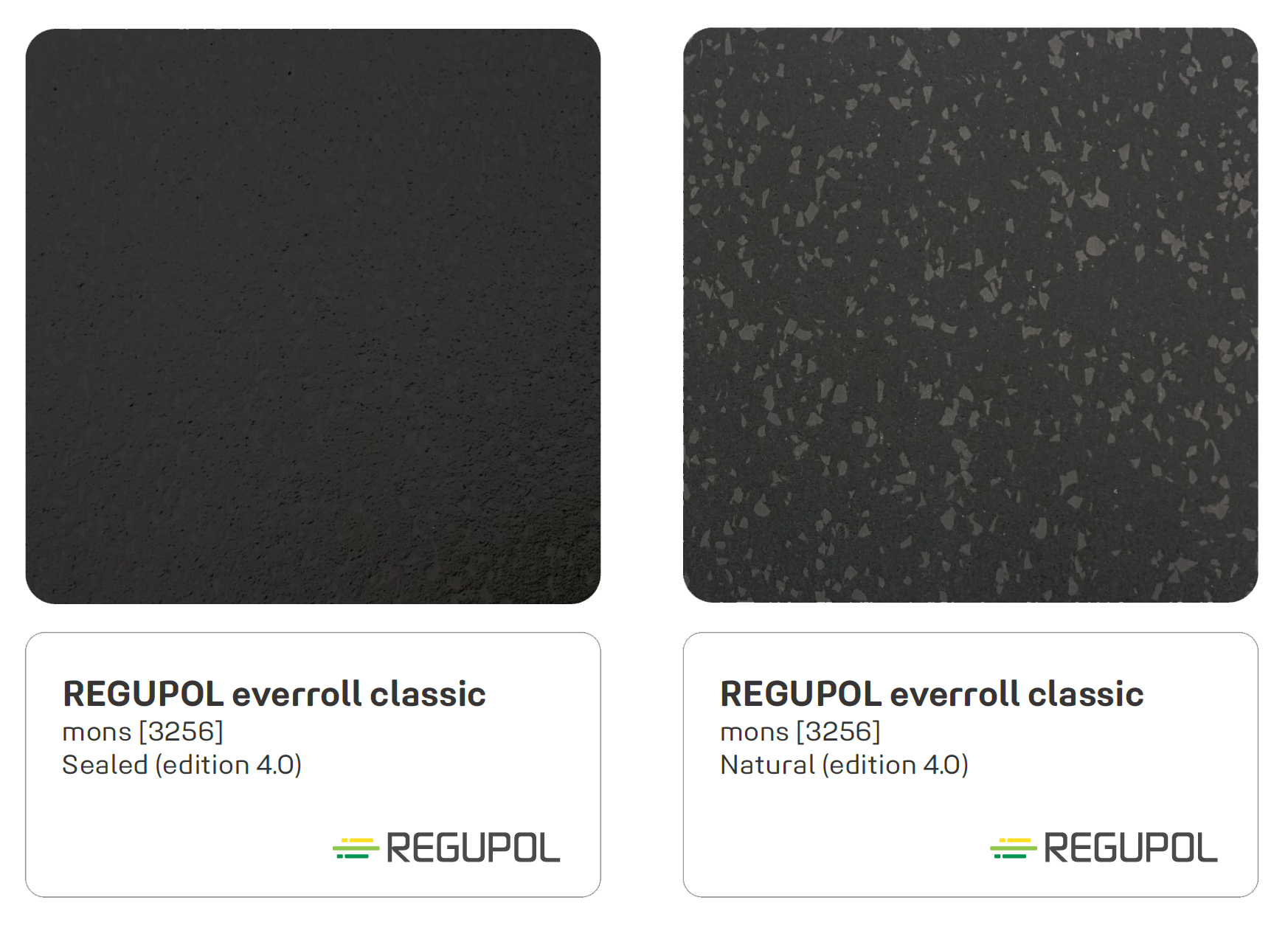
Colour intensity: Applying the sealer can darken the overall appearance of the rubber flooring.
EPDM colour: On products incorporating brighter EPDM colour granules, sealing can make some of those colours appear less vibrant.
Joints and surface variations: A sealed surface reflects light differently from an unsealed surface. As a result, joins between flooring sections and natural inconsistencies within the surface may become more apparent.
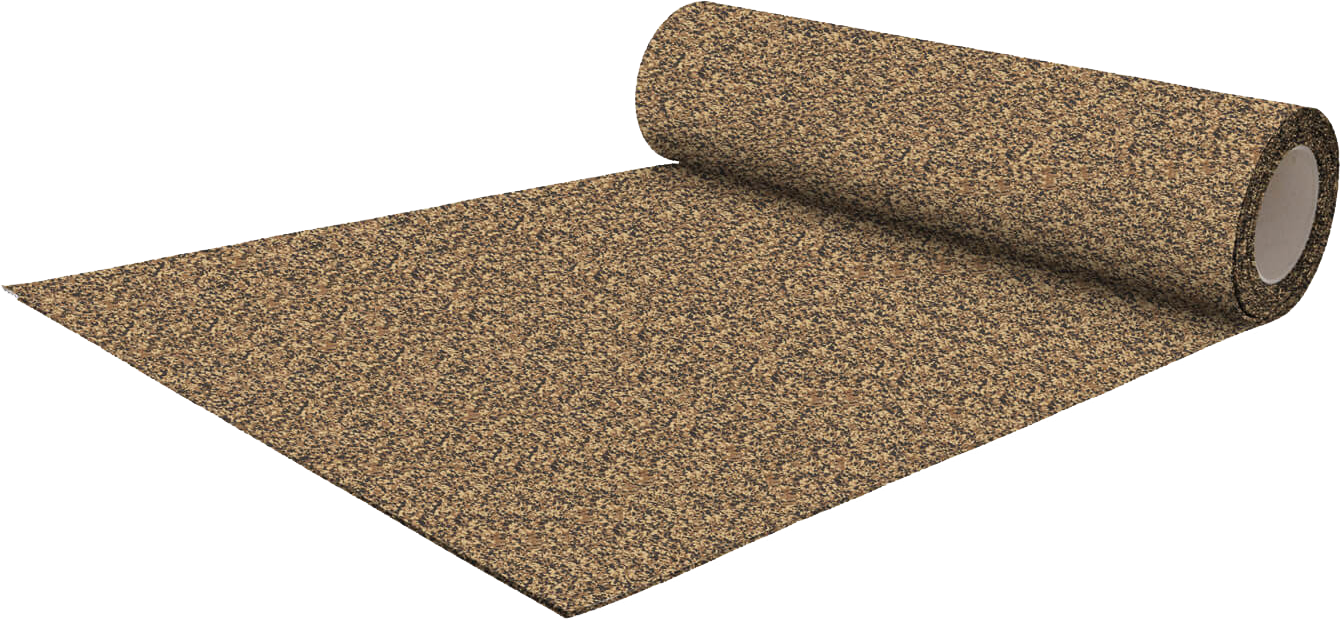
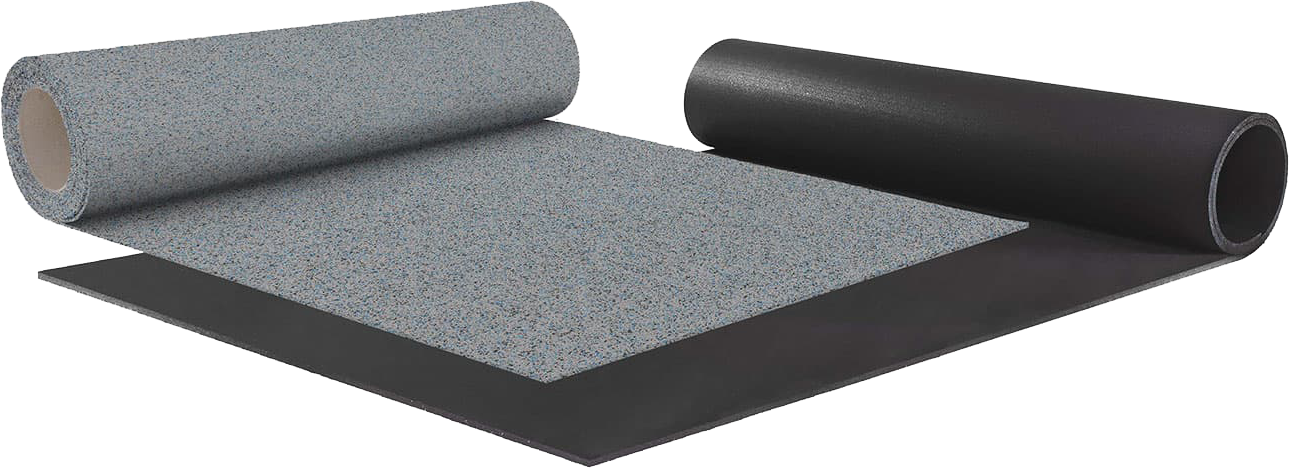
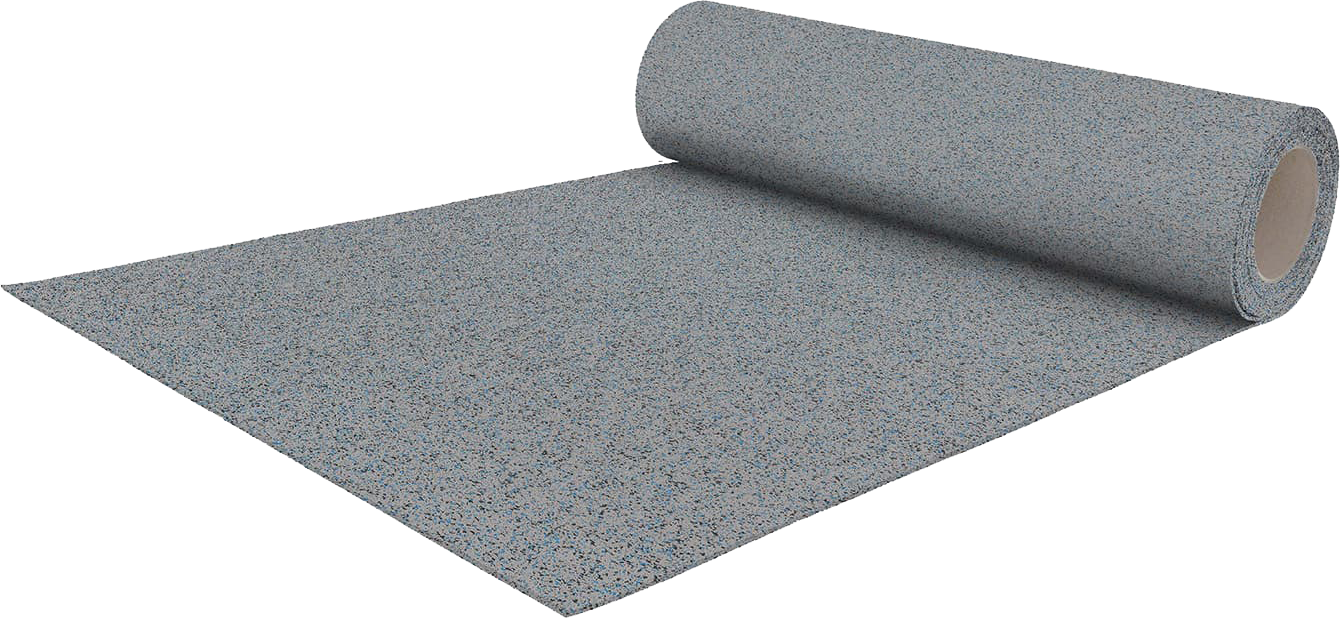
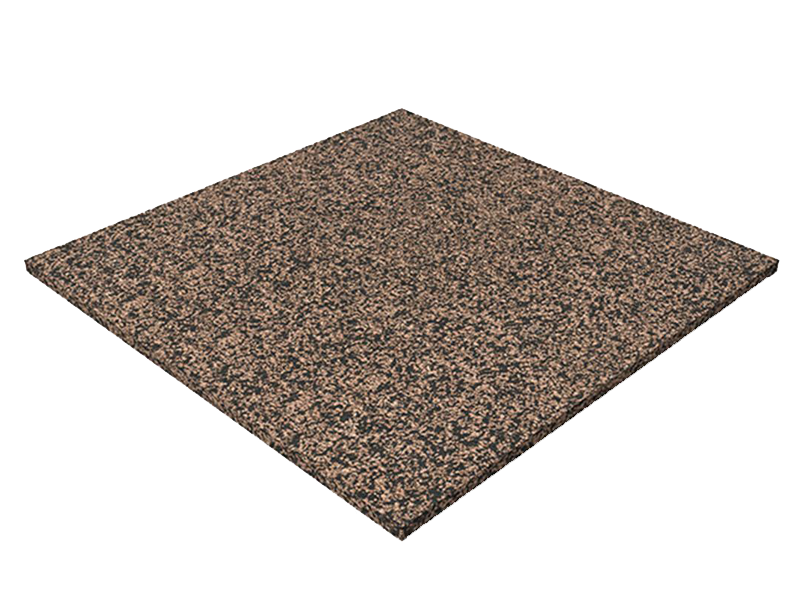
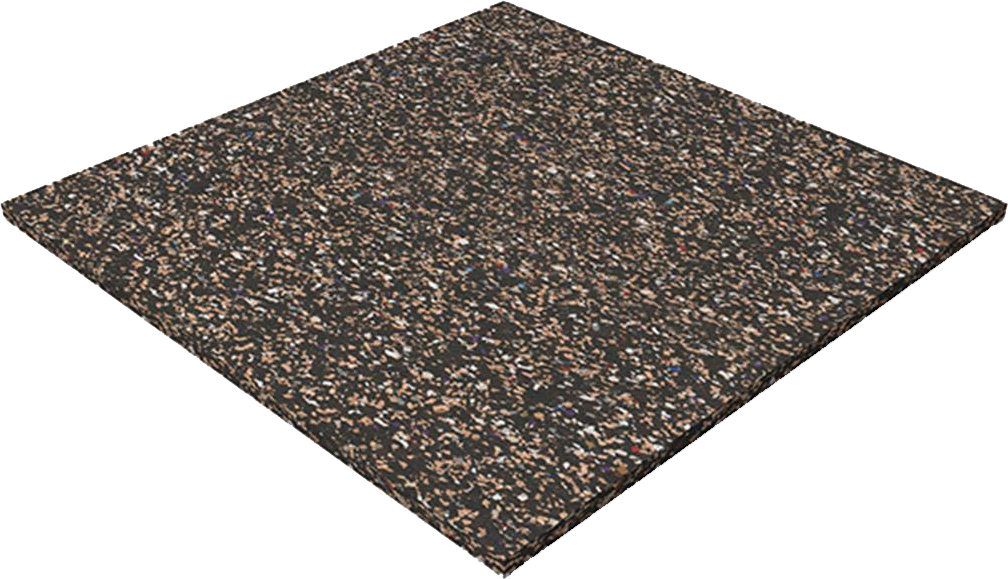
The accompanying images demonstrate the difference between sealed and unsealed samples of REGUPOL everroll classic in colour Mons.
When should you consider sealing REGUPOL rubber flooring?
A sealed finish may be worth considering where ease of cleaning and maintenance is a high priority, particularly in facilities exposed to frequent foot traffic, sweat or dirt.
It may be particularly relevant where:
• routine cleaning needs to be straightforward;
• hygiene and ease of maintenance are important;
• the floor is likely to receive regular exposure to moisture and contaminants;
• access to specialist rotary cleaning equipment is limited;
• P4 slip resistance meets the project’s requirements; or
• a higher slip-resistance requirement can be achieved using the appropriate additive.
When should you consider sealing REGUPOL rubber flooring?
Leaving REGUPOL flooring unsealed may be preferable where the natural appearance and characteristics of the rubber surface are priorities and the facility can accommodate the appropriate cleaning regime.
For example, an unsealed finish may be considered where:
• the natural appearance of the rubber is preferred;
• retaining the intensity of coloured EPDM granules is important;
• minimising the visual prominence of joins is desirable;
• the required slip resistance is already achieved by the unsealed flooring; and
• appropriate equipment and procedures are available for maintaining an unsealed rubber floor.
What is REGUPOL PUR 21-306 / REGUSEAL?
REGUPOL PUR 21-306 (Formerly REGUSEAL), is a VOC-compliant, water-based polyurethane penetrating sealer developed specifically for REGUPOL everroll rubber flooring. It is applied in two coats and has an approximate coverage of 7.5–8.0 m² per litre allowing for both coats, although actual coverage depends on the application and porosity of the flooring. Under the conditions specified in the Product Information Sheet, the first coat has a minimum four-hour drying period before the second coat is applied. The finished floor is light-foot-trafficable after 24 hours and reaches full cure after seven days.
What should you consider before choosing sealed or unsealed rubber flooring?
Before making the decision, consider these questions:
1. How will the floor be cleaned and maintained?
2. Will the flooring regularly be exposed to sweat, dirt or other contaminants?
3. How important is ease of routine cleaning and hygiene management?
4. What slip-resistance classification does the project require?
5. Is maintaining the original colour and appearance of the rubber important?
6. How acceptable will visible joins and natural surface variations be?
7. Is the flooring being installed in an indoor dry environment suitable for the sealing system?
For commercial projects, these considerations are best addressed during specification rather than after the flooring has been installed.
So, should you seal REGUPOL rubber flooring?
It depends on the requirements of the project.
Sealing can significantly simplify routine cleaning by closing the surface pores and reducing the ingress of dirt and contaminants. This can be particularly valuable where maintenance and hygiene are important.
Leaving the flooring unsealed retains its natural surface appearance and can provide higher inherent slip resistance in some REGUPOL flooring systems, but requires an appropriate cleaning and maintenance regime.
Where both easy maintenance and high slip resistance are required, a sealing system incorporating a slip-resistant additive may provide an appropriate solution.
So, should you seal REGUPOL rubber flooring?
It depends on the requirements of the project.
Sealing can significantly simplify routine cleaning by closing the surface pores and reducing the ingress of dirt and contaminants. This can be particularly valuable where maintenance and hygiene are important.
Leaving the flooring unsealed retains its natural surface appearance and can provide higher inherent slip resistance in some REGUPOL flooring systems, but requires an appropriate cleaning and maintenance regime.
Where both easy maintenance and high slip resistance are required, a sealing system incorporating a slip-resistant additive may provide an appropriate solution.
Need help deciding?
The right finish depends on the flooring product, application, required slip resistance, cleaning regime and desired appearance.
Talk to ABS West about the requirements of your project and whether sealed or unsealed REGUPOL flooring is the appropriate solution.
Technical review
This article was developed with technical input from Owen Walsh, Managing Director at ABS West, drawing on experience specifying and supplying REGUPOL flooring systems in Western Australia.
Related Content
End-of-Trip Facility Flooring: Why REGUPOL everroll Is a Smart Choice
INSIGHTS Key Points Durable rubber flooring suited to high-use end-of-trip facilities. Strong slip resistance for areas exposed to wet footwear, bicycles and moisture. Helps reduce impact noise from cycling cleats, bikes and general foot traffic. Resilient surface…
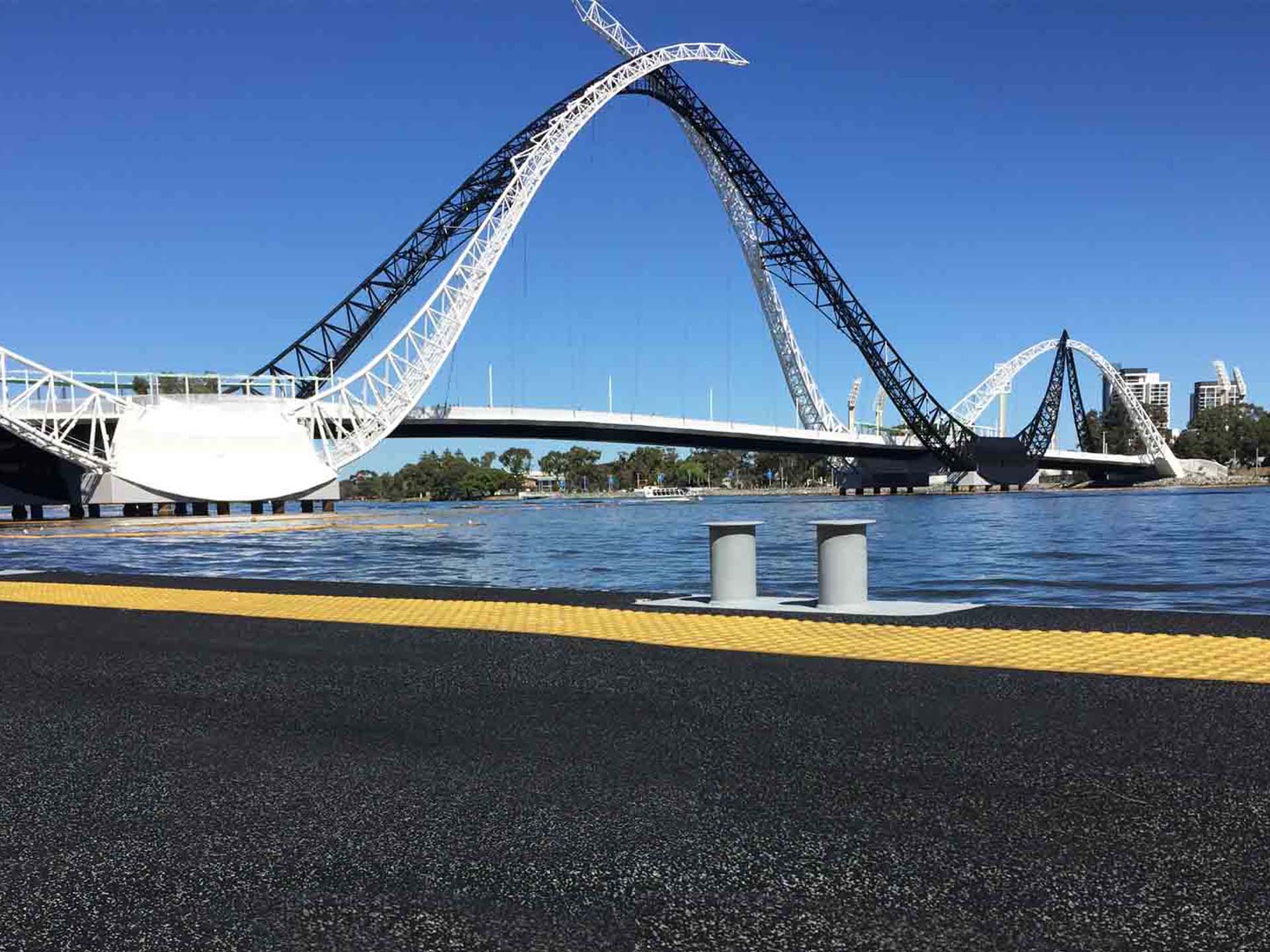
REGUPOL everroll Flooring at Burswood Jetty
INSIGHTS Key Points 460sqm of REGUPOL everroll flooring installed Installed at Burswood Jetty within the Optus Stadium precinct Flooring selected for heavy public pedestrian traffic Suitable for outdoor and marine-adjacent environments Helps improve slip resistance in…
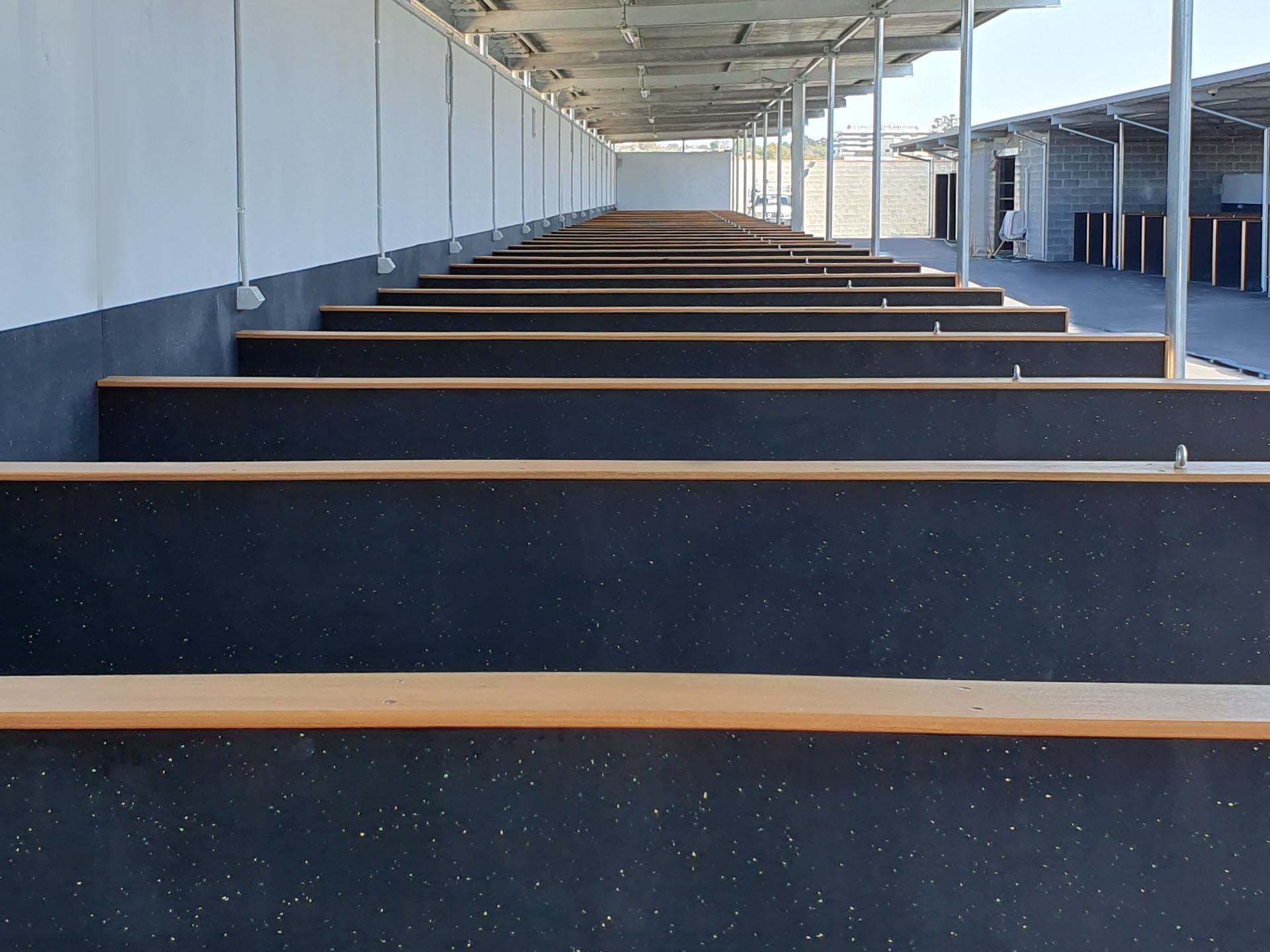
REGUPOL Equine Surfaces at Belmont Park Racecourse
INSIGHTS Key Points REGUPOL equine surfaces installed at Belmont Park Racecourse Designed for demanding equine and racecourse environments Supports traction and confidence under hoof Suitable for wet and high-traffic areas Durable rubber surfacing designed for…
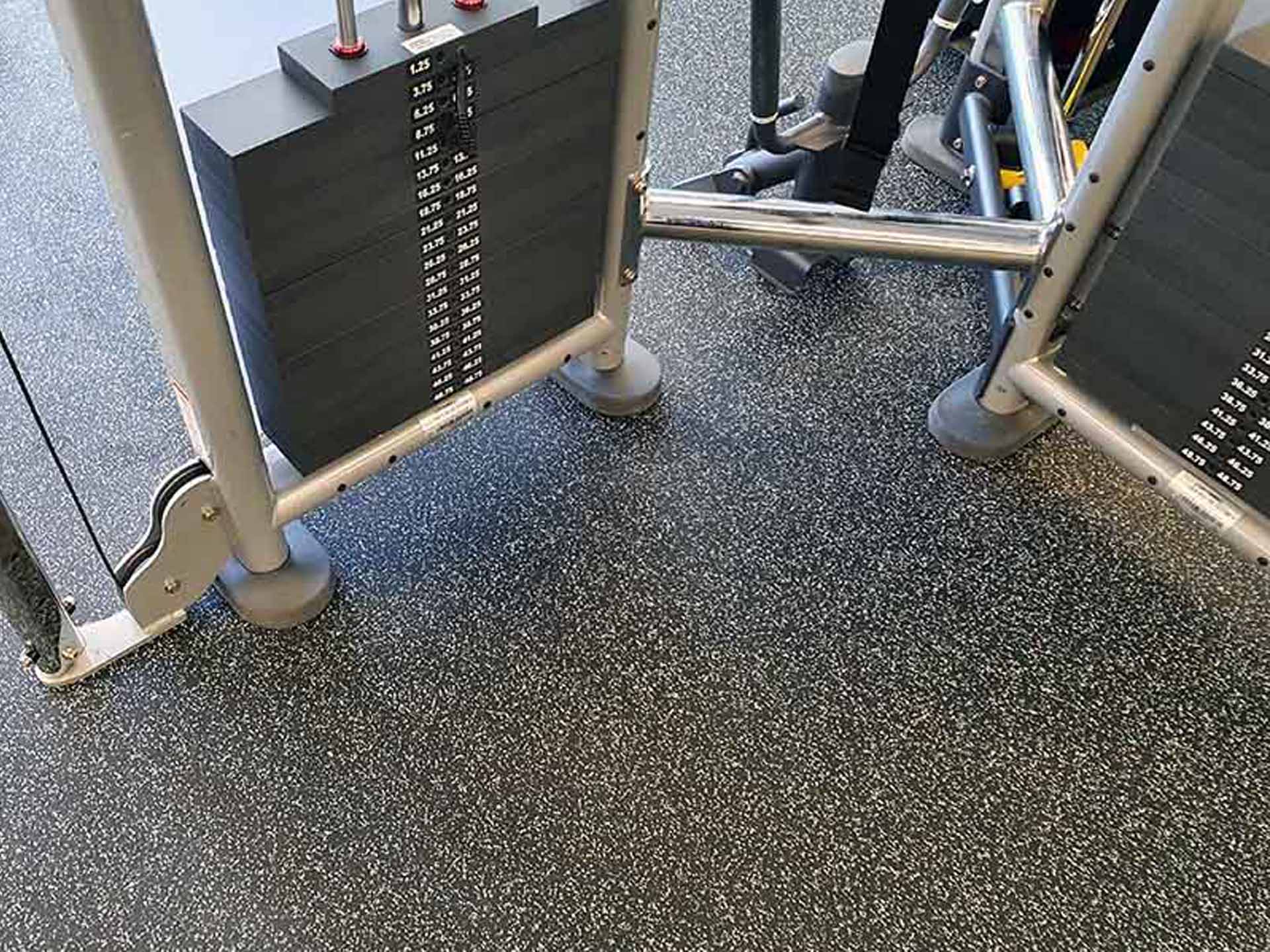
Gym Flooring Point Loads: What to Consider
INSIGHTS Key Points Point loads from heavy gym equipment can place significant stress on flooring systems and subfloors. Load distribution, equipment type and usage patterns all influence long-term floor performance. Purpose-designed rubber flooring can help absorb…
Discuss Your Product Requirements with a REGUPOL Specialist at ABS West
Whether you’re at early specification stage or preparing for project delivery, ABS West provides technical guidance and reliable local supply from Perth for REGUPOL flooring, matting and acoustic solutions across Western Australia.